
Understand how taste, texture, pack, and occasion drive repeat.
Food and beverage decisions are rarely explained by one score. Taste, texture, pack, value and occasion each shape what earns another bite or sip.Enumerate brings CLTs, monadic tests, difference testing, in‑home diaries, ethnographies, shopper and shelf studies, packs, claims and sensory grids into one AI study view, so teams can see what wins the first bite, what earns repeat and what needs to change before launch.
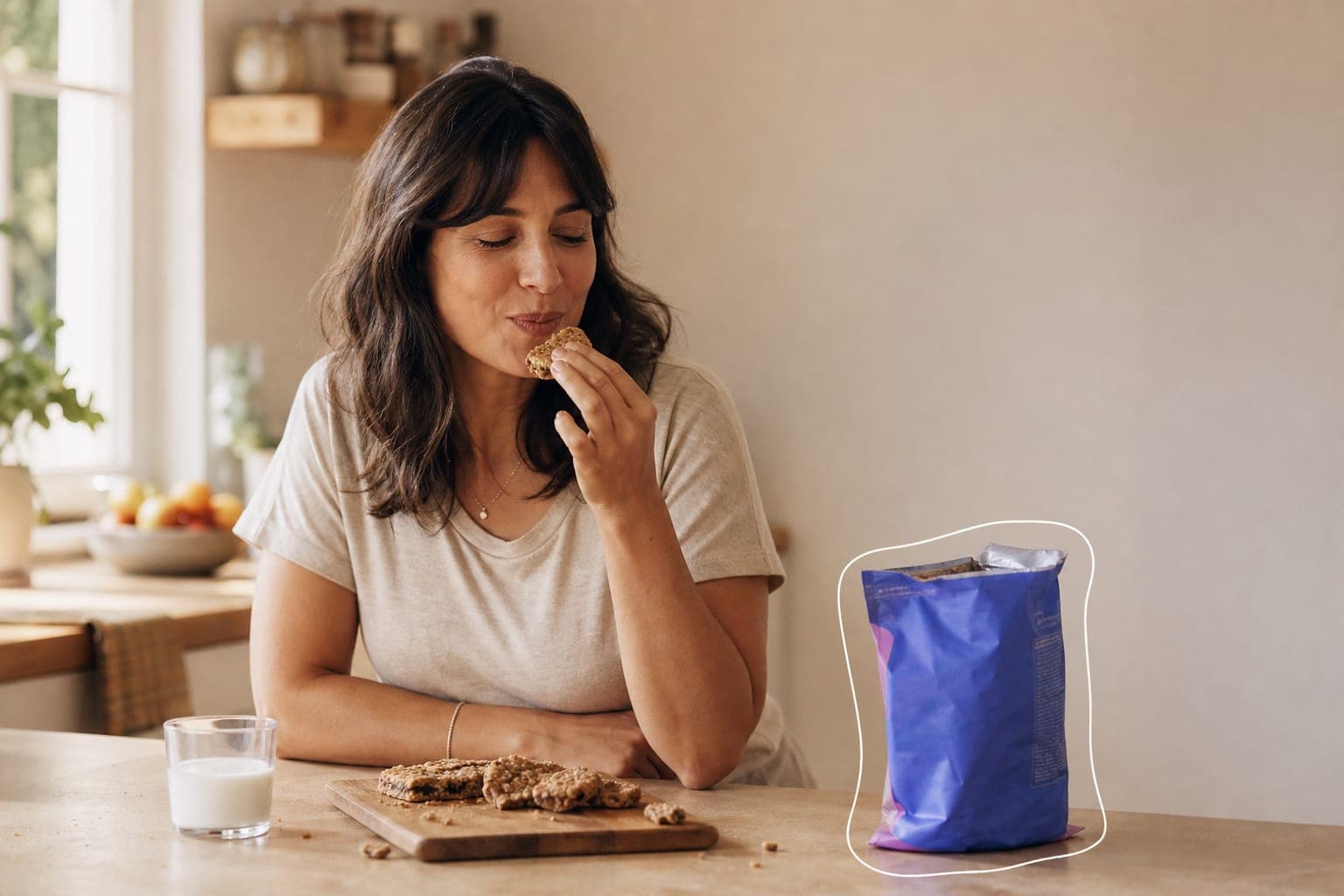
The crunch was still there on day three.
Snack buyer · repeat diary
 on GreenbookVerified reviews from research teams on Greenbook
The first taste gets attention. Repeat is earned over time.
Taste, texture and aroma shape the first reaction. Aftertaste, portion, pack, price and occasion shape whether people choose it again. Enumerate brings controlled tests, in-home diaries, shopper evidence and visual research into one view, so teams can see what drives preference and what to improve before launch.
What wins on first taste?
Taste, aroma, texture and mouthfeel explain why one product pulls ahead.
What holds up in real consumption?
A product that performs strongly in a CLT may feel different across a full portion, repeated use or a real occasion.
What changes the choice?
Brand, claim, pack, price, shelf and occasion can strengthen or weaken the same product.
See a snack reformulation study come together.
Follow CLT responses, monadic preference, hedonic and JAR scores, open ends and repeat diaries to see what carries preference and what gets in the way.
The new recipe wins preference in the CLT, and texture supports repeat at home. Aftertaste becomes the clearest barrier by day three, especially among lighter snackers. Reducing it should be the priority for the next product round.
“The crunch is spot on, that’s what I want in a snack.”Heavy snacker · Taste test
“By day three that aftertaste put me off going back for more.”Light snacker · Diary
Ask the study what matters
Explore what won, what got in the way, who experienced it differently and what should change next. Enumerate keeps every answer connected to the evidence behind it.
 Snack ReformulationCLT + 7‑day diaryEvidence connected
From first bite to repeat decision, in one platform.
Use AI probing to collect richer diaries and open ends, bring controlled tests, ethnographies, claims, pack images, sensory grids and occasion work into the same workspace, and move from raw study inputs to stakeholder‑ready outputs. Enumerate supports coding, analysis, synthesis, cuts, reports and reels while your team stays in control of the interpretation.
Explore each step →Probe
Use AI follow‑ups for diaries and open ends when someone mentions taste, texture, aftertaste, portion, craving, pack value, occasion fit or a claim they do not believe.
- AI asks the useful next question
- Captures richer async responses
- Works across 40+ languages
- Links every answer to context
Give stakeholders the answer and the evidence.
Reports, reels and segment cuts, each tied back to the study.
AI-drafted reports grounded in source evidence and ready for your team’s review.
Short, shareable clips that bring the feedback to life.
Quick cuts by market, segment, study stage or any filter.
Every quote coded and tied back to the source, in 40+ languages.
One platform across the studies your team already runs.
Move between methods without losing the respondent, context, segment or evidence behind the answer.
AI‑probed diaries & open ends
When respondents say a snack is too sweet, a drink feels artificial, a texture is dry, a portion feels small or a product is moreish, AI probing asks the next useful question. Enumerate turns those diary entries and open ends into coded evidence by recipe, claim, occasion, respondent and segment.
Explore the At home usage testing use case- AI follow‑up probes
- Open‑end coding
- Occasion evidence
- Attribute drivers
AI‑probed diaries & open ends
When respondents say a snack is too sweet, a drink feels artificial, a texture is dry, a portion feels small or a product is moreish, AI probing asks the next useful question. Enumerate turns those diary entries and open ends into coded evidence by recipe, claim, occasion, respondent and segment.
Explore the At home usage testing use case- AI follow‑up probes
- Open‑end coding
- Occasion evidence
- Attribute drivers
Start with the decision you need to make.
See all research methods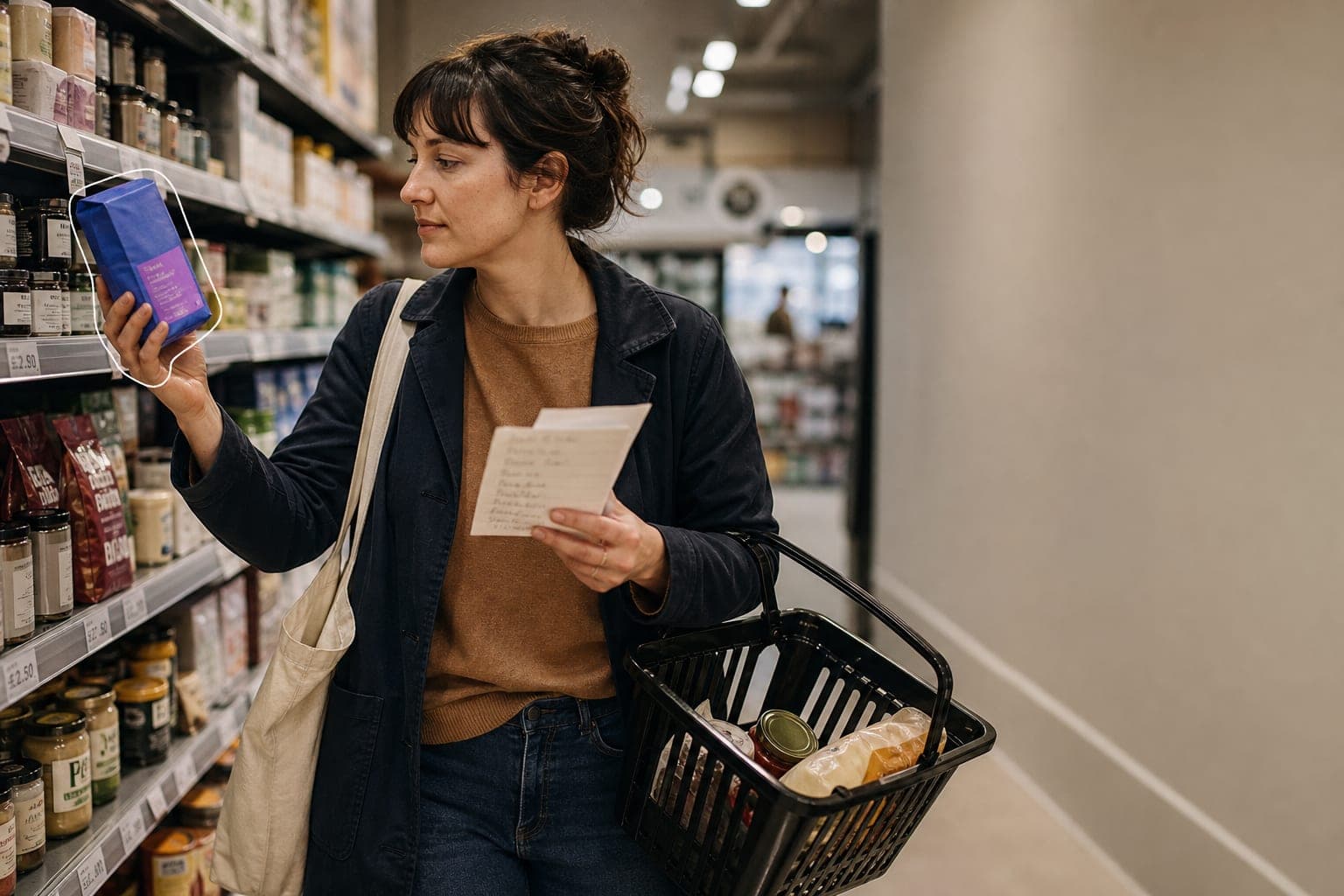
Shopper, shelf & value studies
Shelf cues, price‑pack value and purchase context.
Explore →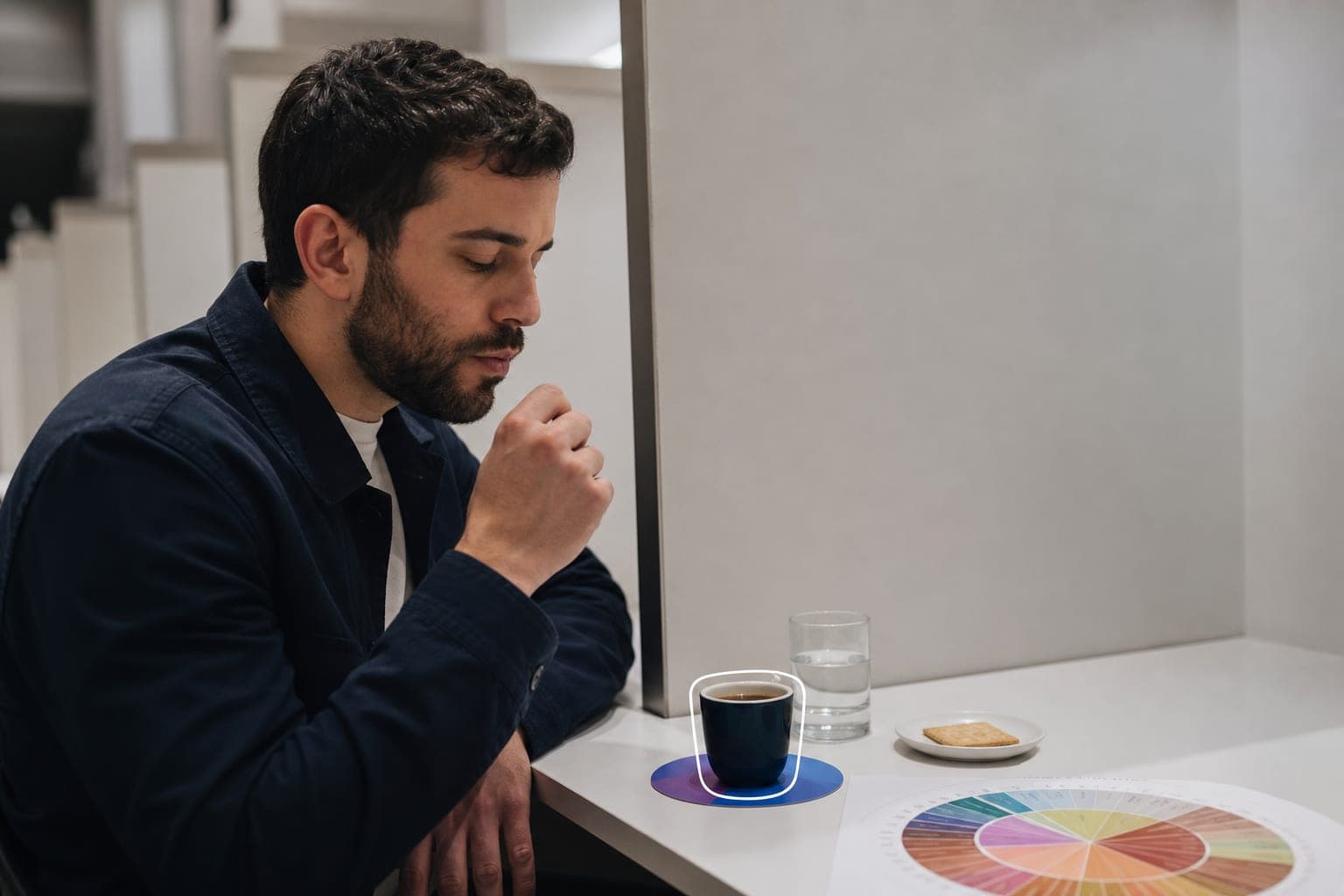
Central‑location tests (CLT)
Controlled tasting with open‑end diagnostics.
Explore →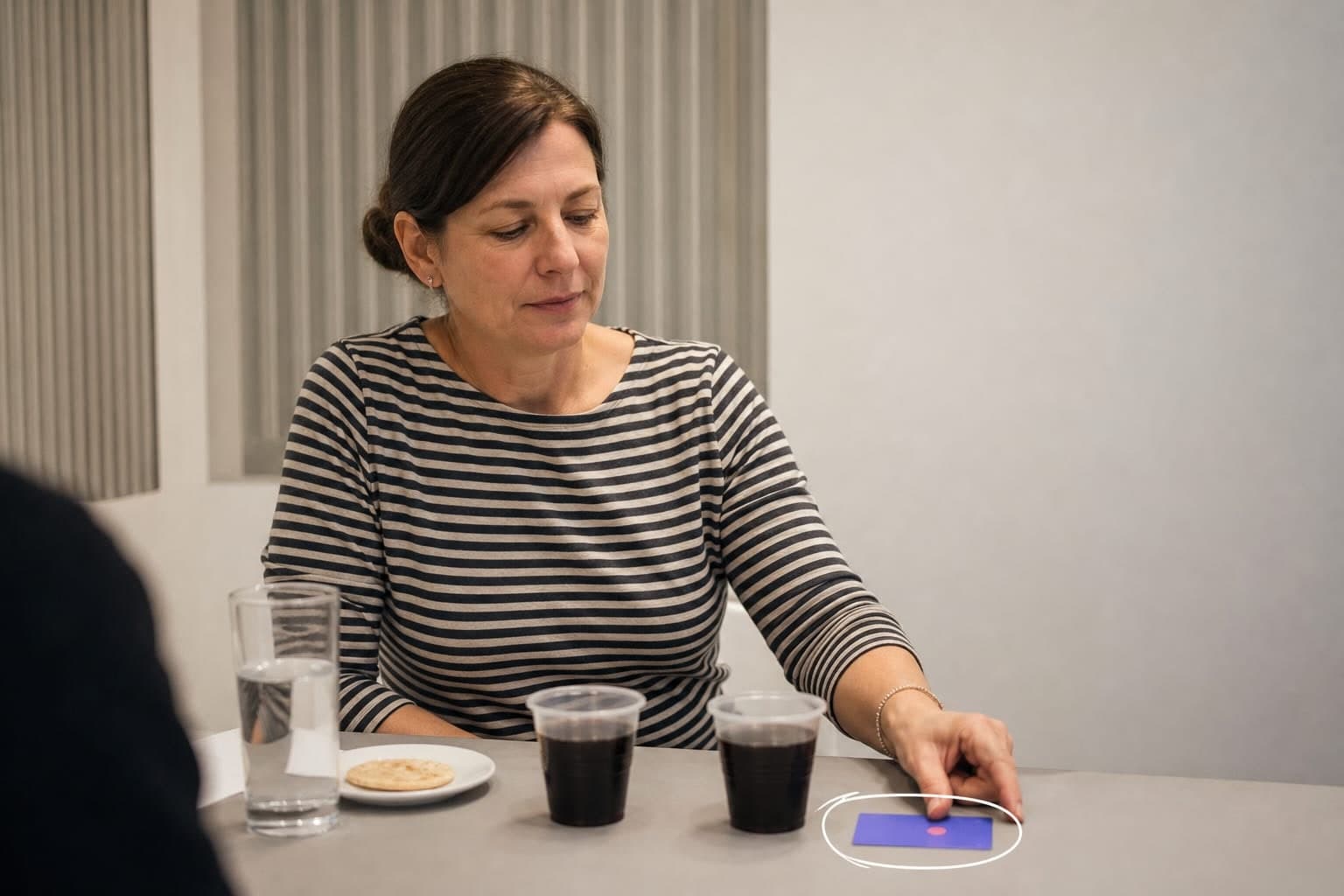
Monadic & sequential monadic
Independent reads, preference and clean comparison.
Explore →See the platform in action
Turn product and sensory evidence into a clearer launch decision.
Connect product tests, sensory evidence, diaries, packs and shopper feedback to see what wins first taste and what earns repeat.